Wearing prescription glasses under ski goggles creates two common challenges: limited space and moisture buildup. Standard goggles may press against eyeglass frames, while trapped warm air can cause condensation. These problems affect comfort and visibility during skiing and snowboarding.
OTG, meaning Over The Glasses, describes goggles designed to accommodate prescription eyewear. For retailers and sports brands sourcing prescription ski goggles, understanding frame clearance, ventilation, and anti-fog performance helps them evaluate products beyond appearance.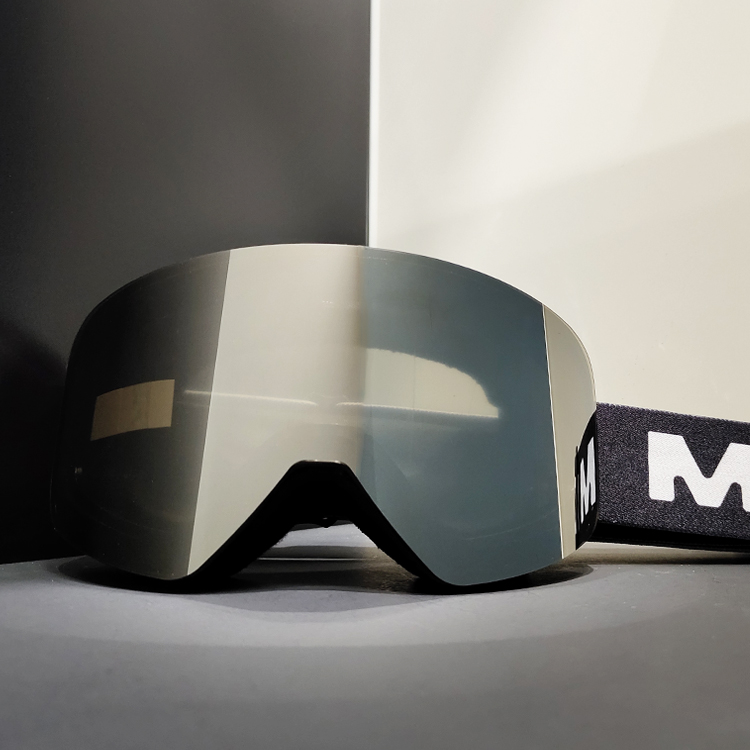
OTG construction provides additional internal space for prescription frames. The goggle body must accommodate the eyeglass temples, bridge, and lenses without creating uncomfortable pressure. However, compatibility depends on the dimensions of both products.
Frame depth is particularly important. Insufficient clearance may cause prescription lenses to touch the inner goggle lens. This contact can produce scratches or interfere with positioning. Buyers should examine internal dimensions rather than relying only on an OTG label.
Temple clearance also affects comfort. Thick eyeglass arms may press against the wearer's head when the goggles are tightened. During sample evaluation, retailers should test several prescription frame widths and shapes to understand practical compatibility limits.
Fog develops when humid air contacts a surface below its dew point. During winter sports, warmth from the face and moisture from breathing or perspiration can accumulate inside goggles. Cold lens surfaces then encourage condensation.
OTG users face an additional challenge because prescription lenses create another surface where moisture can collect. Even when the outer goggle lens remains clear, the glasses underneath may fog. This distinction matters when comparing anti-fog product specifications.
Ventilation helps reduce moisture accumulation by exchanging humid internal air with outside air. However, blocked vents, wet face coverings, and poor helmet positioning may restrict airflow. Effective fog management depends on the complete wearing arrangement.
Anti-fog treatments help manage condensation on treated lens surfaces. Their performance can vary with temperature, humidity, cleaning methods, and repeated use. Buyers should request testing information that reflects the intended winter environment.
When comparing the best prescription ski goggles for a retail collection, anti-fog claims should be examined alongside ventilation design. Buyers need to consider whether the treatment applies to the goggle lens, prescription glasses, or both.
Foam construction also influences moisture management. Single-, double-, and triple-layer configurations provide different combinations of cushioning and moisture absorption. Retailers should assess how the foam contacts the face without obstructing ventilation or creating uncomfortable pressure.
Ski goggles rarely operate independently. Helmets, prescription glasses, and winter face coverings influence their position. Poor coordination between these items can create pressure points or interfere with airflow.
During fitting trials, users should wear their complete winter equipment. Check whether the helmet pushes the goggles downward, whether the strap remains stable, and whether the prescription frames shift when the wearer moves.
Face coverings require particular attention. Warm breath entering the lower goggle area may increase condensation. Checking the fit around the nose and cheeks helps identify possible problems before a product enters the retail assortment.
For brands developing winter eyewear, OTG compatibility needs to be considered alongside lens construction and comfort. We offer the YH693 frameless magnetic ski goggles as one example within our OEM and ODM product range.
This model features a cylindrical lens design, magnetic interchangeable lenses, and a flexible TPU frame. Its OTG-compatible construction accommodates prescription eyewear. Available lens options include polycarbonate, polarized, photochromic, and high-contrast configurations.
At YIJIA Optical, we also provide customizable foam configurations and elastic anti-slip straps for this model. The lens specifications include UV400 protection, anti-fog and anti-scratch features. Buyers can review these options against their target market's requirements.
Retailers should begin with representative prescription frames. Sample testing needs to cover eyeglass width, temple thickness, and bridge clearance. These checks help determine which customer groups a particular OTG design can accommodate.
For brands sourcing prescription ski goggles, coating performance and lens replacement procedures deserve equal attention. Interchangeable lenses offer flexibility, but users must understand correct installation and handling to avoid damage or poor alignment.
We recommend documenting fitting results before approving a customized design. Buyers should also confirm lens choices, foam specifications, strap adjustments, packaging requirements, and inspection criteria. These details reduce misunderstandings during subsequent production stages.
Selecting suitable winter eyewear involves checking internal clearance, moisture control, lens properties, and compatibility with surrounding equipment. The best prescription ski goggles for a particular retail market depend on the prescription frames and skiing conditions customers commonly use.
At YIJIA Optical, we support these discussions through product customization and sample development. Buyers can share eyeglass dimensions, intended lens options, and fitting requirements to evaluate a suitable configuration before confirming production.

